
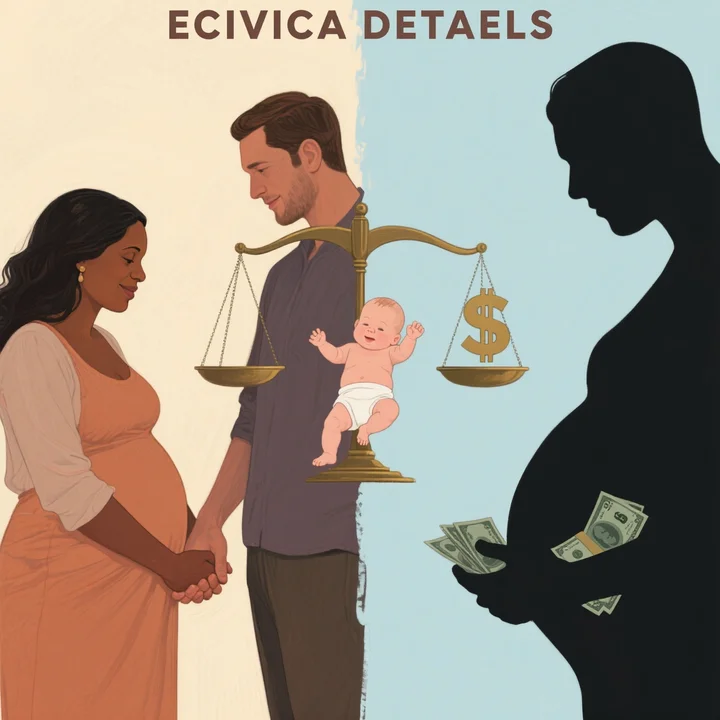
The short answer: Surrogacy is ethically complex—it can be both empowering and exploitative, depending on laws, compensation, and consent. Here’s a balanced look at the controversies.
1. Ethical Arguments FOR Surrogacy
A. Autonomy & Choice
- Supports reproductive freedom: Surrogates choose to help others build families.
- Altruistic surrogacy: Some women carry for relatives/friends out of love.
B. Medical Necessity
- Only option for same-sex couples, infertile women, or those with uterine conditions.
- Gestational surrogacy (no genetic link) reduces ethical concerns vs. traditional surrogacy.
C. Fair Compensation
- In regulated systems (e.g., U.S., Canada), surrogates are paid fairly (30K–60K+) and protected by contracts.
2. Ethical Arguments AGAINST Surrogacy
A. Exploitation Risks
- Global disparities: Poor women in developing countries (e.g., India, Ukraine) may be coerced into surrogacy for money.
- ”Womb for rent” criticism: Some argue it commodifies women’s bodies.
B. Psychological & Physical Risks
- Surrogates face pregnancy risks (e.g., preeclampsia, postpartum depression).
- Children may struggle with identity if donor eggs/sperm are used.
C. Legal Loopholes
- Some countries ban paid surrogacy (e.g., France, Germany), calling it unethical.
- Parental disputes can arise if laws are unclear (e.g., surrogate keeps the baby).
3. How Ethical Surrogacy Works
To minimize harm, ethical surrogacy should include:
✔ Informed consent (surrogate fully understands risks).
✔ Legal contracts (rights of all parties protected).
✔ Fair pay & healthcare (no financial coercion).
✔ Psychological screening (ensures surrogate is emotionally prepared).
4. Countries with Strong Ethics Laws
| Country | Regulation | Key Rules |
|---|---|---|
| USA | Legal, paid, highly regulated | Surrogates must have prior pregnancies |
| Canada | Altruistic only (no profit, but expenses paid) | No ads for surrogates allowed |
| UK | Altruistic only, legal safeguards | Surrogacy agreements unenforceable |
| India | Banned for foreigners (2023) | Prevents “reproductive tourism” |
5. The Bottom Line
Surrogacy can be ethical when:
✅ Voluntary & well-compensated (no coercion).
✅ Medically necessary (not just for convenience).
✅ Legally protected (clear parental rights).
But it raises concerns when:
❌ Low-income women are exploited.
❌ Laws are weak or unenforced.
Thoughtful regulation is key to ethical surrogacy.
Where do you stand? Share your views below.