
Do Surrogates Get Paid If They Lose the Baby? Compensation & Contracts Explained
The short answer: It depends on the surrogacy contract and when the pregnancy loss occurs. Most agreements include partial or […]

The short answer: It depends on the surrogacy contract and when the pregnancy loss occurs. Most agreements include partial or […]
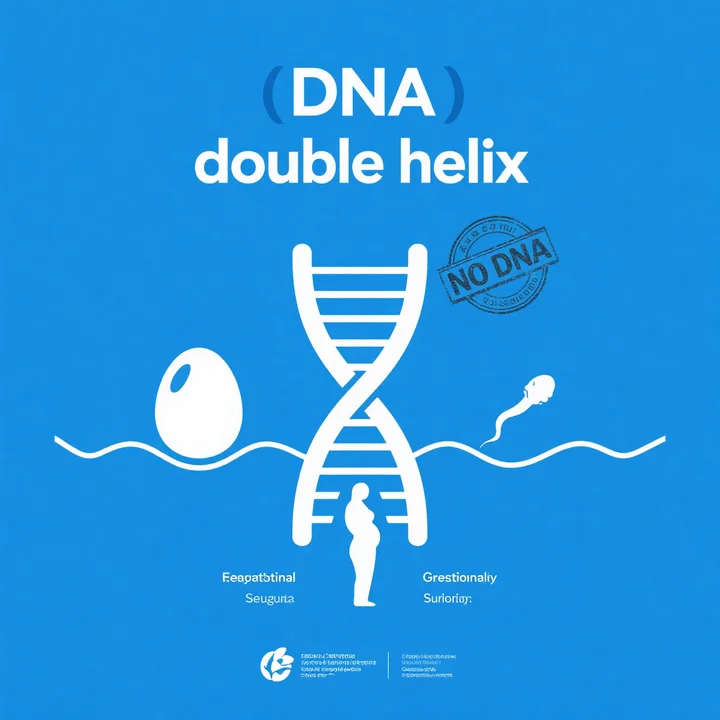
The short answer: In gestational surrogacy, the baby does not share DNA with the surrogate, so it cannot naturally resemble

Surrogacy is expensive—often 100,000to200,000—but many intended parents find ways to make it work. Here’s how people afford surrogacy, from savings

The short answer: In legal surrogacy agreements, the intended parents are recognized as the baby’s legal and custodial parents—not the

The short answer: In gestational surrogacy, the biological mother is the egg donor—not the surrogate. The surrogate carries the pregnancy
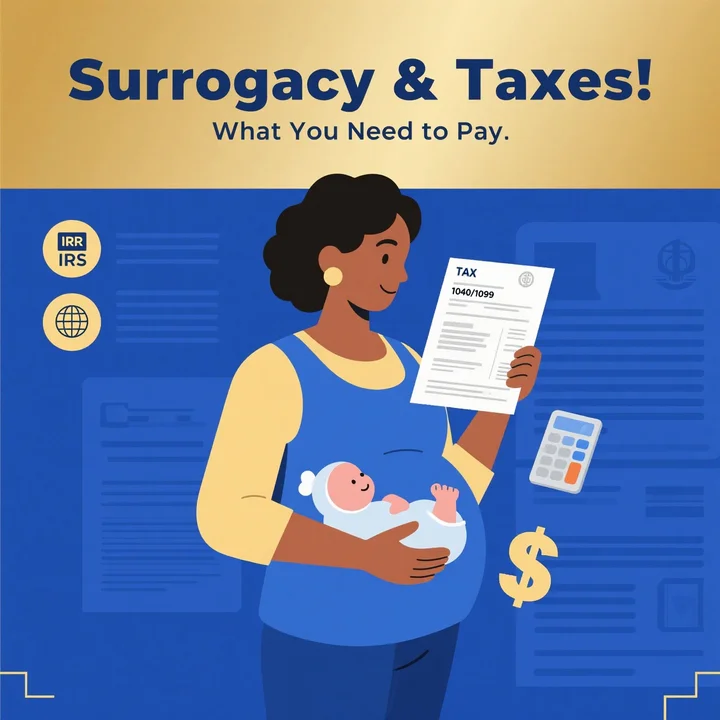
The short answer: Yes, surrogacy payments are usually taxable income—but tax rules vary depending on who receives the money (surrogate,
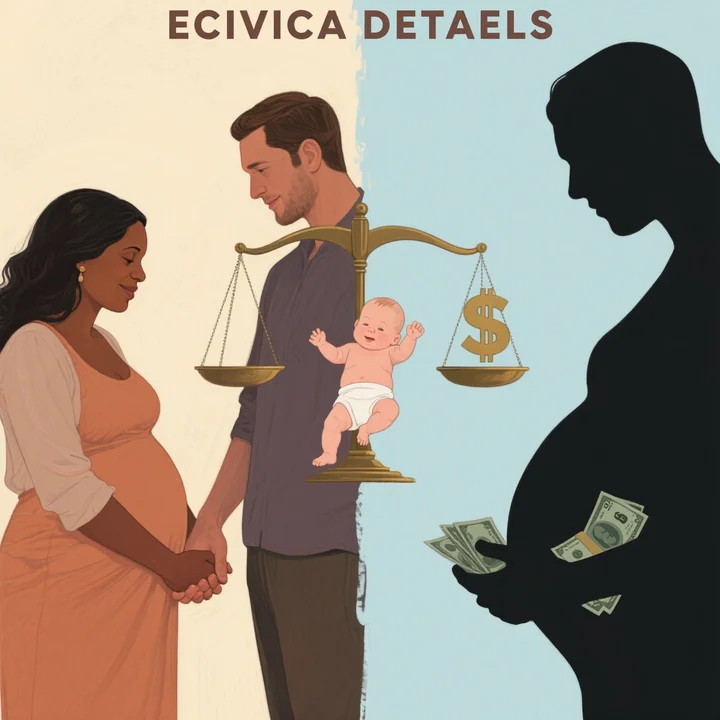
The short answer: Surrogacy is ethically complex—it can be both empowering and exploitative, depending on laws, compensation, and consent. Here’s

The short answer: Neither is “better”—it depends on your medical situation, finances, and family goals. Here’s how to decide: 1.

The short answer: The success rate for gestational surrogacy (live birth per embryo transfer) ranges from 50% to 75%, depending

The short answer: While extremely rare, surrogate maternal death is a legal and emotional risk in surrogacy. The outcome depends
