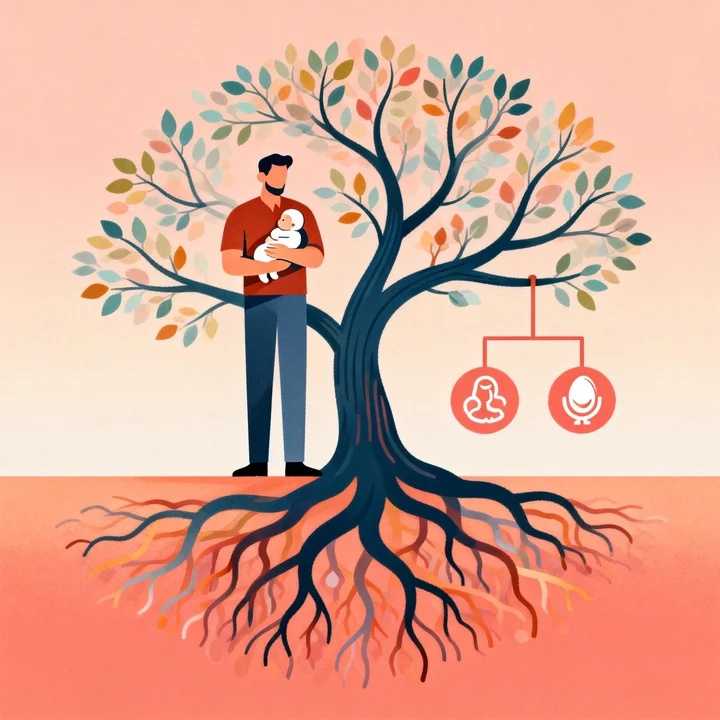
Introduction: A Path Forged by Choice and Science
For many single men, particularly within the LGBTQ+ community, the dream of biological fatherhood was once a distant fantasy. Today, thanks to In Vitro Fertilization (IVF) and gestational surrogacy, it is an achievable reality. However, the journey from intention to cradle is a complex labyrinth of medical, legal, emotional, and logistical challenges—a path less charted, where the guidebooks are often written by the shared experiences of those who have walked it first.
This is not the traditional narrative of infertility overcome by a couple. This is a deliberate, proactive choice to build a family, a journey that begins not with a medical diagnosis but with a profound personal decision. The stories from within the community reveal a tapestry of resilience, careful planning, and the creation of new, chosen family structures.
1. The First Hurdle: The Medical Maze and Finding the Right Team
The medical journey for a single intended father is distinct. It begins with assembling a specialized team that understands the unique needs of a solo male parent.
- The Quest for an LGBTQ+-Affirming Clinic: The first step is finding a fertility clinic that is not just tolerant but genuinely affirming. As Michael, a 42-year-old single father from San Francisco, shares: “I didn’t just need a clinic that would accept my money. I needed one where the staff used inclusive language, where the forms had options for ‘Intended Father,’ and where my journey was normalized, not treated as an exception.”Affirming clinics are adept at coordinating with egg donor agencies and surrogacy agencies, creating a seamless, if complex, medical workflow.
- The Egg Donor Decision: Unlike heterosexual couples using their own eggs, single men must choose an egg donor. This is a deeply personal decision, balancing anonymity versus known donation, physical characteristics, medical history, and personal values. Community forums are filled with discussions about the pros and cons of using an agency’s database versus a friend or family member as a known donor, each path carrying its own legal and emotional implications.
- The IVF Process from a Male Perspective: The medical burden of IVF traditionally falls on the female partner. For single fathers, the physical process is different but emotionally weighty. The focus is on sperm collection and the anxious wait for fertilization reports and embryo development. The creation of embryos—the potential future children—is an abstract yet monumental moment. “Seeing the report that we had several high-grade embryos was the first time I truly felt like a ‘prospective parent,'” recalls David, a single dad from New York. “It made it all real.”
2. The Heart of the Journey: The Surrogate Relationship
The relationship with the gestational surrogate is the cornerstone of the entire experience. For single fathers, this dynamic is unique, often evolving into a powerful, boundary-defined partnership.
- Beyond a Transaction: The most successful stories highlight a relationship built on mutual respect and clear communication. The surrogate is not a vessel but a partner in the mission to bring a child into the world. Many single fathers speak of their surrogate as an “extended family member.” For instance, Carlos, who became a father in 2022, describes his relationship with his surrogate, Sarah: “We had very clear boundaries from the start, but within those boundaries, we developed a deep friendship. She wasn’t just carrying my child; she was supporting me in becoming a dad. We texted daily, I attended all the major appointments, and her family welcomed me. It was a chosen family dynamic that I cherish.”
- Navigating a “Female-Centric” Space: Pregnancy is often a space dominated by female experiences. Single fathers can sometimes feel like outsiders. Active participation—attending appointments, learning about prenatal development, and showing genuine care for the surrogate’s well-being—helps bridge this gap. It shifts the role from a passive observer to an engaged, expectant parent.
- The Emotional Challenges of a “Spectator Pregnancy”: Many single fathers describe a feeling of helplessness. While the surrogate experiences the physical reality of pregnancy, the intended father can feel disconnected. Community support groups, both online and in-person, are vital for processing these feelings. Sharing anxieties about the baby’s health and the surrogate’s well-being with others who understand is invaluable.
3. The Legal Framework: Building an Ironclad Foundation
For single fathers, the legal process is arguably the most critical and complex part of the journey.
- Establishing Parentage Before Birth: In surrogacy-friendly states like California, Illinois, and Nevada, pre-birth orders are a lifeline. This is a court order that establishes the intended father as the legal parent of the child before birth, with his name going directly on the birth certificate. This process severs any legal connection to the surrogate, which is crucial for single fathers. The importance of an experienced reproductive lawyer cannot be overstated. “My lawyer was my quarterback,”says Mark. “She navigated the court system, ensured every ‘i’ was dotted and ‘t’ was crossed. Without that, the entire process would have been terrifying.”
- The Egg Donor’s Rights: The legal framework must also clearly terminate the rights of the egg donor, ensuring she has no legal claim to or responsibility for the child. This is standard in anonymous donor arrangements but requires extra care and specific legal documentation in known donor situations.
4. The Village: It Takes a Community to Raise a Child—and a Father
The adage “it takes a village” applies doubly to single fathers by choice. The journey highlights the importance of building a support network.
- Financial Realities: Surrogacy is expensive, with costs often exceeding $150,000. Single fathers frequently discuss creative financing—savings, loans, family support—and the immense financial pressure they face.
- Emotional and Practical Support: From the anxiety of the IVF cycle to the final weeks of pregnancy, having a support system is essential. This “village” might include other single fathers by choice, friends, family, and LGBTQ+ community centers. This network becomes even more critical after the baby arrives, providing practical help and emotional sustenance. As Alex, a new father, notes: “My friends set up a meal train. My sister flew in for two weeks. My ‘village’ didn’t just help me survive; they showed me that I wasn’t doing this alone, even if I was the sole legal parent.”
Conclusion: Redefining Fatherhood, One Story at a Time
The journey of single-father surrogacy after IVF is a testament to the power of intention, science, and human connection. It is a path paved with both profound challenges and even more profound joy. The tales from the LGBTQ+ community are not just stories about having a baby; they are stories about redefining family, fatherhood, and the very meaning of parenthood.
These fathers demonstrate that fatherhood is not a role defined by a partner, but by an unwavering commitment, a deep capacity for love, and the courage to navigate an uncharted path. Their journeys, shared through community networks and support groups, are lighting the way for the next generation of men who dare to dream of cradle and a child to call their own.
Disclaimer: This article is based on common experiences and practices within the LGBTQ+ community and is for informational purposes only. It does not constitute legal, medical, or financial advice. Laws vary significantly by state and country. It is essential to consult with qualified reproductive lawyers, financial advisors, and medical professionals before embarking on a surrogacy journey.