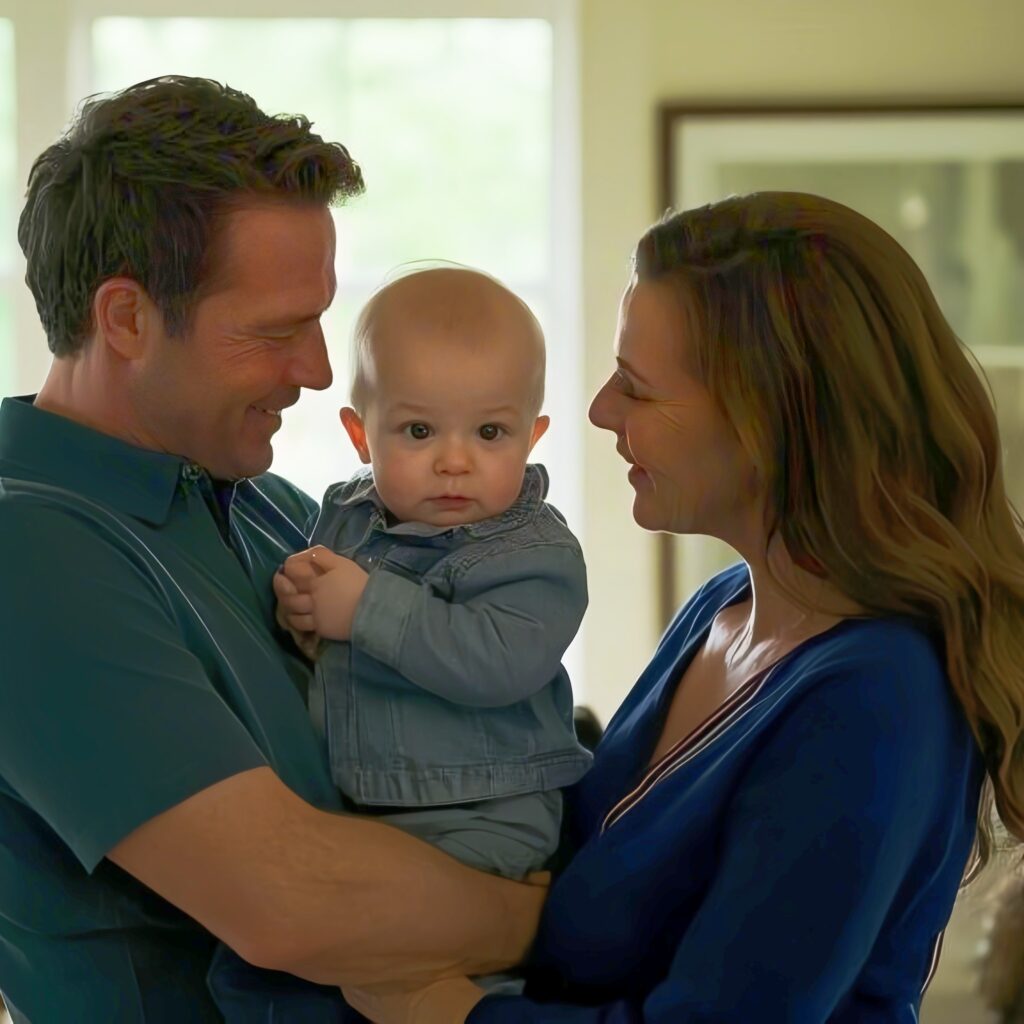
Introduction: A New Family Dynamic
The decision to pursue surrogacy as a single parent is a profound one, marked by immense hope and careful planning. Unlike traditional couples, the single parent enters this journey without an inherent partner to share the emotional rollercoaster. This unique starting point often leads to a pivotal, and deeply personal, question: What kind of relationship should I have with my surrogate after the birth of my child? Is this a long-term bond, akin to extended family, or a one-time, professional collaboration with a clear endpoint?
There is no one-size-fits-all answer. The reality is a spectrum, shaped by the intentions, personalities, and boundaries established by both the intended parent (IP) and the surrogate. Understanding the nuances of each model is crucial for building a healthy, respectful relationship that serves the best interests of everyone involved, especially the child.
Model 1: The “One-Time Journey” – A Clear, Professional Partnership
This model views surrogacy primarily as a profound, life-changing transaction. The relationship is built on mutual respect and gratitude but is bounded by a clear contract and a defined endpoint.
- Characteristics:
- Clarity from the Start: Both parties agree, often during the matching process, that their interaction will be focused on the shared goal of a healthy pregnancy and birth. Communication is warm but purposeful, centered on medical updates and logistical planning.
- Emphasis on Boundaries: There is a mutual understanding that the surrogate is not a parental figure. Her role is to carry and deliver the child. After the birth, the expectation is for a gradual, natural distancing.
- Closure at Birth: The relationship culminates in the birth. There may be profound gratitude expressed, but ongoing communication is minimal or ceases altogether. The surrogate moves on, viewing her role as successfully completed.
- Pros:
- Reduced Complexity: Clear boundaries can prevent potential future conflicts or misunderstandings about roles and responsibilities.
- Emotional Protection: For some surrogates, this clean break helps in the emotional process of “letting go.” For some IPs, it allows them to establish their family unit without external influence.
- Respect for Privacy: It respects the privacy of both the surrogate’s family and the new single-parent family.
- Cons:
- The Child’s Curiosity: As the child grows, they will have questions about their origin. A complete lack of connection may make it harder to satisfy this curiosity with more than just a story and a few photos.
- A Lost Opportunity: It forgoes the potential for a meaningful, ongoing connection with the woman who played such a critical role in the family’s creation.
Model 2: The “Long-Term Relationship” – An Evolving, Extended Family Bond
This model envisions the surrogate becoming a special part of the child’s life, often described as a “surrogate aunt” or an “honored family friend.”
- Characteristics:
- Intentional Integration: The IP and surrogate discuss the desire for an ongoing relationship before the pregnancy begins. They may agree on post-birth visits, photo updates, and being part of milestone celebrations (birthdays, holidays).
- Focus on the Child’s Narrative: The relationship is nurtured to provide the child with a living connection to their birth story. The surrogate is a person the child can know, ask questions to, and appreciate.
- Organic Evolution: The nature of the relationship is allowed to evolve naturally over time, based on mutual comfort and genuine affection.
- Pros:
- A Richer Origin Story: The child has direct access to the woman who gave them the gift of life, which can be a source of positive identity formation.
- Continued Support: For a single parent, having this additional supportive, trusted adult in the child’s life can be invaluable.
- A Deeper Meaning: It transforms the journey from a transaction into a lifelong bond, often seen as the most idealistic outcome.
- Cons:
- Navigating Boundaries: As the child grows, navigating the surrogate’s role can be complex. What if her parenting views differ from the IP’s? Clear communication is perpetually required.
- Potential for Strain: If expectations about the frequency or depth of contact are mismatched, it can lead to disappointment or resentment.
- Emotional Complexity: For some, a constant presence might make the process of separation more challenging for the surrogate or create confusion for the child if not handled with care.
The Critical Foundation: Psychological Screening and the Matching Process
The American Society for Reproductive Medicine (ASRM) emphasizes the importance of independent mental health consultations for both the surrogate and the intended parent(s). This process is not about passing a test, but about exploring expectations for the post-birth relationship.
A skilled mental health professional will facilitate discussions on this very topic. They help both parties articulate their hopes and fears, ensuring a better match. A surrogate who desires a close, long-term bond might not be the best fit for an IP who prefers a more private arrangement, and vice versa. The most successful relationships, regardless of their long-term nature, are built on aligned expectations from the outset.
The Single Parent’s Unique Considerations
As a single parent, your decision carries additional weight. You are the sole architect of your child’s family landscape.
- You Are the Primary Narrator: Without a partner to share the storytelling, the responsibility falls entirely on you to frame the narrative of the child’s origins in a positive, coherent way. An ongoing relationship with the surrogate can provide a tangible character in that story.
- Building a Support Village: Single parenting can be demanding. Welcoming a surrogate as part of your “village” can be a source of emotional support for both you and your child.
- Safeguarding Your Parental Role: It is essential that any long-term relationship is structured in a way that reinforces you as the sole decision-making parent. The surrogate’s role, however cherished, is that of a special friend or relative, not a co-parent.
Conclusion: It’s a Spectrum, Not a Binary Choice
The question of a long-term relationship versus a one-time journey is not a simple either/or proposition. Many relationships settle into a comfortable middle ground: not daily contact, but not radio silence either. They might involve an annual visit, holiday card exchanges, and an open door for the child to reach out when they are older.
The key to success lies not in choosing a predefined model, but in prioritizing open, honest, and ongoing communication. This begins during the matching process, is reinforced by legal counsel and psychological support, and must be adaptable as circumstances change.
Ultimately, the goal is to create an arrangement built on such profound mutual respect that, whether the relationship is close or distant, both parties can look back on the journey with pride and gratitude, knowing they acted with integrity for the sake of the new life they created together.
Disclaimer: This article is for informational purposes only and does not constitute legal, medical, or psychological advice. The surrogacy process involves complex legal and emotional considerations. It is essential to consult with qualified professionals, including reproductive lawyers and mental health experts, before embarking on a surrogacy journey.