
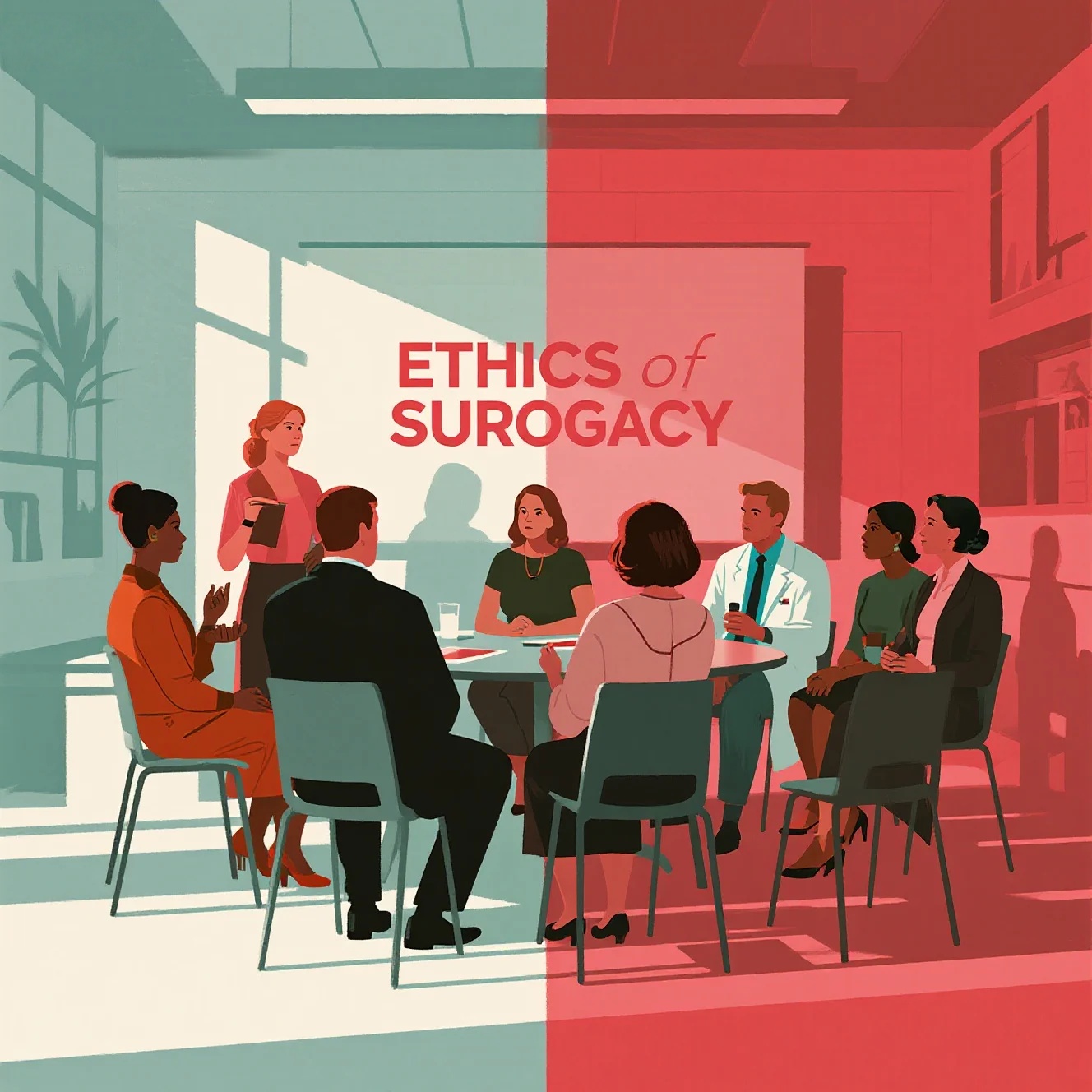
Commercial surrogacy—where a woman is paid to carry a pregnancy for others—has sparked global debate. While it helps some families, critics argue it raises serious ethical, legal, and human rights issues.
Here’s a balanced look at the key concerns.
🚺 1. Exploitation of Women
Critics argue that low-income women are often pressured into surrogacy due to financial need, turning pregnancy into a transaction rather than a choice.
Key Concerns:
✔ ”Womb for rent” – Reduces pregnancy to a paid service.
✔ Financial coercion – Desperate women may feel they have no other option.
✔ Unequal power dynamics – Wealthy intended parents vs. economically vulnerable surrogates.
💬 “A contract isn’t true consent when poverty is the motivator.” — Human Rights Watch
**⚖️ 2. Feminist & Human Rights Issues**
Some feminists compare surrogacy to reproductive exploitation, arguing:
✔ Bodily autonomy vs. commodification – Should pregnancy be treated like a “job”?
✔ Risk of abuse – Some surrogates report poor treatment, lack of medical care.
✔ Emotional toll – Being asked to carry a baby and then give it away can be traumatic.
💬 “Surrogacy turns women’s bodies into factories for the wealthy.” — Radical Feminism Collective
**⚠️ 3. Health Risks & Emotional Harm**
Medical Dangers for Surrogates:
- IVF side effects (hormonal drugs, egg retrieval risks)
- Pregnancy complications (high blood pressure, C-sections)
- Postpartum depression (emotional detachment after birth)
Psychological Impact on All Parties:
- Surrogates may struggle with grief after giving up the baby.
- Intended parents may feel guilt or detachment.
- Children may face identity issues later in life.
💬 “I didn’t realize how hard it would be to hand over the baby.” — Former surrogate
🌍 4. Legal & Cross-Border Problems
Surrogacy laws vary wildly by country, leading to:
✔ ”Surrogacy tourism” – Parents travel to countries with lax laws.
✔ Citizenship issues – Some babies end up stateless if laws conflict.
✔ Contract disputes – What if parents reject the baby? What if the surrogate changes her mind?
Banned or Restricted in Many Places:
❌ France, Germany, Italy, Spain (altruistic surrogacy only)
❌ China, India (commercial banned)
❌ Catholic Church condemns it
💬 “We’ve seen cases where babies were stuck in legal limbo for years.” — International Surrogacy Lawyer
👶 5. Concerns About Children’s Rights
Identity & Emotional Struggles:
- ”Who is my real mom?” – Complex feelings about biological vs. gestational mothers.
- Genetic secrecy – Some parents hide surrogacy from children.
- Potential for eugenics – Wealthy parents “designing” babies via surrogacy.
💬 “Children deserve to know their origins—surrogacy can complicate that.” — Child Psychologist
🛑 6. Religious & Cultural Objections
✔ Catholic Church – Calls surrogacy a “violation of human dignity.”
✔ Islam & Orthodox Judaism – Generally forbid it.
✔ Some cultures believe pregnancy should only be within marriage.
💬 “Making babies for money goes against nature.” — Pope Francis
**✅ Key Takeaways**
| Opposition Reason | Main Concern |
|---|---|
| Exploitation | Poor women pressured into surrogacy for money |
| Feminist ethics | Pregnancy should not be a paid service |
| Health risks | IVF & pregnancy dangers for surrogates |
| Legal chaos | Citizenship issues, contract disputes |
| Child welfare | Identity struggles, emotional trauma |
| Religious bans | Violates traditional family values |
**⚖️ Final Thought**
While surrogacy helps some families, critics argue it risks exploiting women, harming children, and undermining ethical boundaries. The debate continues as laws struggle to keep up with technology and demand.